Industrial Electrical Work
When a machine stops, nothing else in the building matters until it starts again.
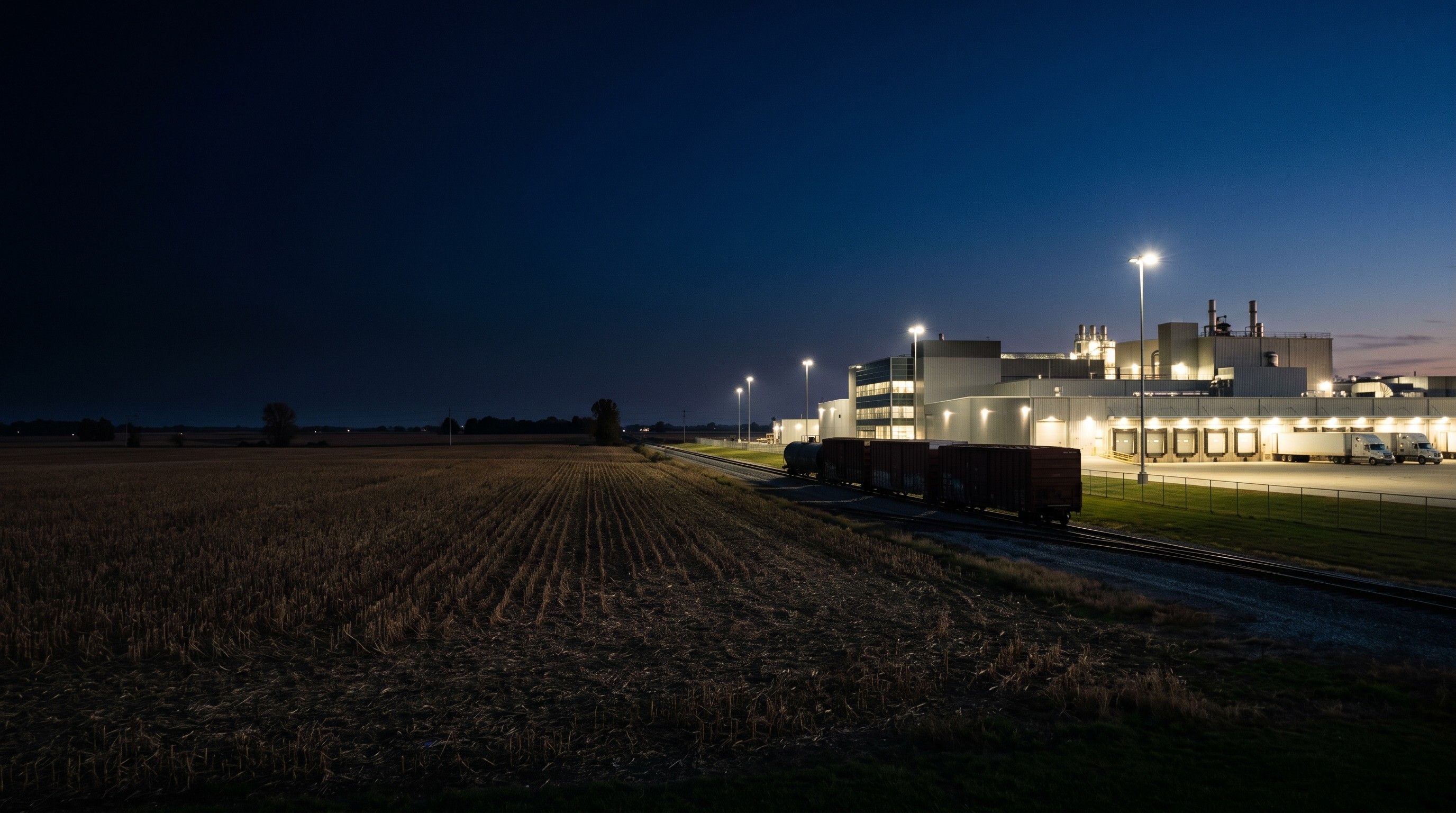
McClone Electric has worked industrial and manufacturing sites across this county since 1981. We are in our second generation now, and close enough to be there rather than scheduled in.
The plants we work in
Warehousing and distribution. Metal fabrication. Plastics and injection molding. Food processing. Machine shops. Plating. General manufacturing.
There is no ceiling on job size. Anything that comes up.
Power distribution
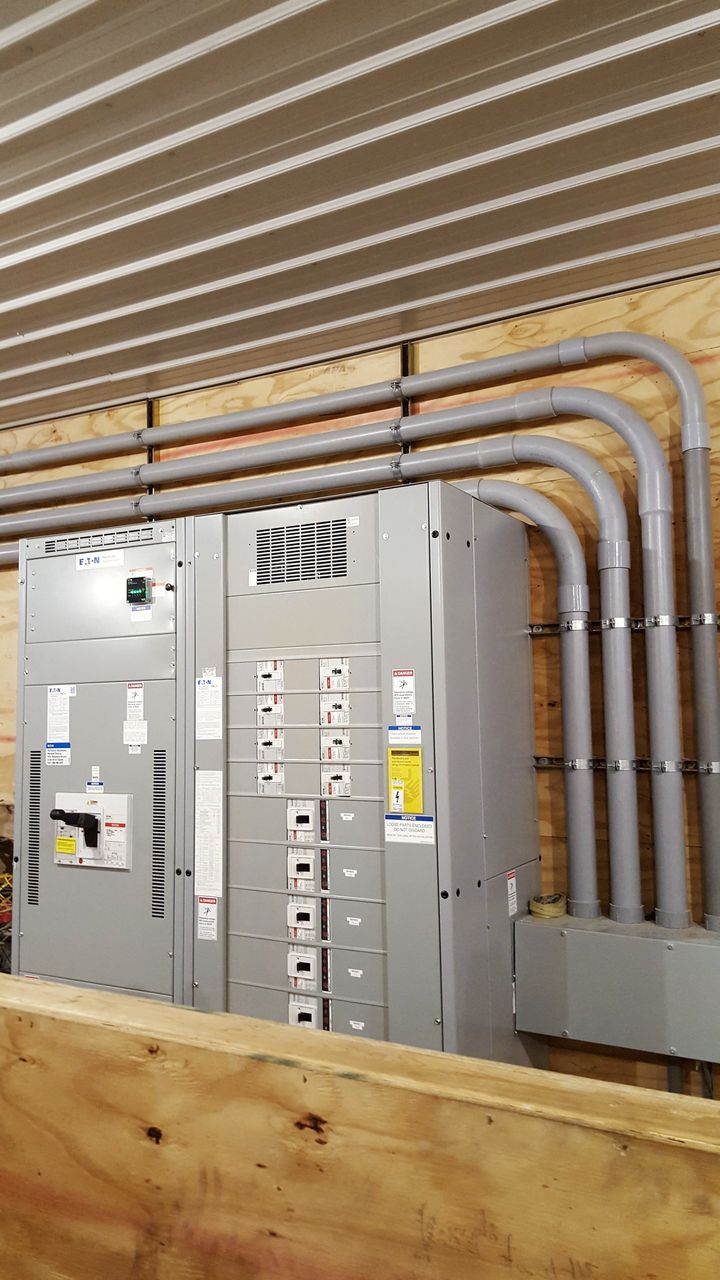
Three-phase services and feeders. Main distribution gear, panels and sub-panels, laid out so that the next thing added has somewhere to go rather than being wedged in.
Where the utility’s three-phase does not reach, we install phase converters so a plant on a single-phase service can still run three-phase machines. Out in the county that comes up more than people expect.
Motors and drives
Motor circuits, starters, disconnects. VFDs and motor drives — installed, wired and tested.
Machine hookups when new equipment lands: getting power to it, and getting it running. New equipment arrives more often than anybody plans for, and it rarely lands where the last one was.
Control panels, built here
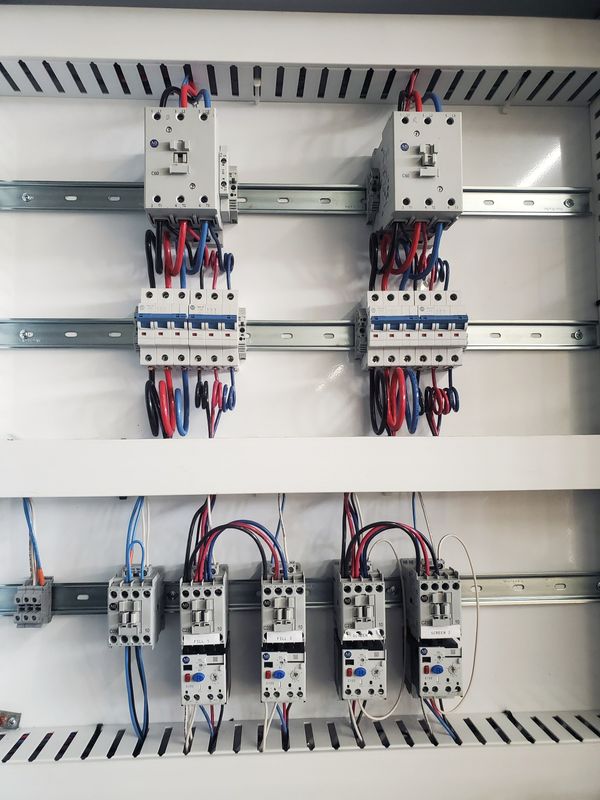
We make all of our control boxes in house.
Every panel is laid out, wired and checked in our own shop before it comes to your plant, and each circuit is numbered and labeled. If it needs looking at in two years, you can call the person who built it, who works in this county and not three states away.
That is its own page: custom controls.
Machine rooms
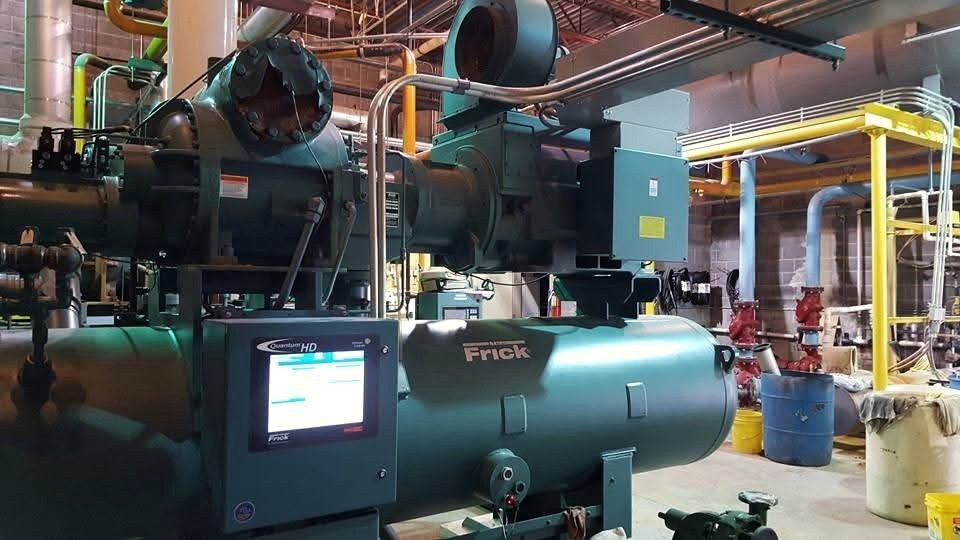
We have done the electrical for a whole ammonia refrigeration machine room — the compressors, the motors and starters, and everything else in the room that runs on power.
A machine room is not a normal industrial space. The equipment is somebody else’s trade and it arrives with its own requirements, the room has rules about what can be in it, and the plant does not stop while you work. The refrigeration is the refrigeration contractor’s. Everything electrical in that room was ours.
That included the ammonia detection. In a room like that, detection decides whether anybody can be in there at all, and it has to be wired so it still works on the day everything else has gone wrong.
If you have a room like that and you are trying to find somebody local who will not be out of their depth in it, that is the reason to call.
Finding it before it finds you
Infrared scanning. A connection running hot shows up on a thermal scan long before it shows up as a shutdown, and a scan happens with the plant running.
That is the low-commitment way to start: one walk-through, and you know what you are dealing with.
Torque, terminations and starters
Three things account for most of the electrical downtime we get called out to in a plant, and all three are cheaper to find on a Tuesday than at two in the morning.
Lugs and terminations torqued to the manufacturer’s spec. A termination that was tightened by feel and never checked will hold for years and then back off a fraction under thermal cycling. That is where the heat comes from, and it is the bright spot the infrared scan picks up. We check it against the printed number, with a wrench.
Motor connections. Vibration and repeated starting current do things to a connection at a motor that nothing in a lighting circuit ever does. They get looked at as part of the same pass.
Starters that are getting weak get replaced before they strand a motor. Pitted contacts, chattering, dropping out under load: a starter rarely fails cleanly. It degrades, and every start in that condition is harder on the motor than the one before. Replacing it is a scheduled hour. Losing the motor is not.
More on how this is done in maintenance.
Lighting
High bay lighting and LED retrofits for spaces where the fixtures are thirty feet up and changing one is an event. Exit and emergency lighting with monthly and annual testing, documented.
Retrofits in a plant usually come with a utility rebate. We will help with the paperwork, though the filing is yours.
Standby power
If an outage costs you a shift, or a batch, standby power is a conversation worth having before it happens rather than after. We install standby generators with automatic transfer switches.
When it goes down
If a line goes down on the night shift, call. Somebody has been answering this phone at night since 1981. We do not promise you a time; we will tell you honestly when we can be there. See emergency electrician.
Get a quote
Contact us today for a free, no hassle quote on your upcoming project.
Call (574) 594-3532 or send us a message.